The Best Beaches on Flinders Island

The beaches are diverse and unique, some are sheltered and gentle, with clear water and soft sand perfect for a quiet swim. Others are wild and windswept, shaped by Bass Strait and best explored with shoes in hand and no particular hurry. There are beaches for walking, beaches for photography, beaches for families, beaches for solitude and beaches that stop you in your tracks before you’ve even stepped out of the car. With more than 120 beaches across the island, you’ll never see them all in one visit. But that’s part of the magic.
Trousers Point
If there is one beach most visitors have heard of before arriving, it’s Trousers Point. Set beneath the granite slopes of Strzelecki National Park, Trousers Point is one of the island’s most recognisable coastal landscapes. White sand, clear shallow water and dramatic mountain views come together in a way that feels almost unreal. It’s a beautiful place for a swim on a calm day, a picnic, a slow walk or simply sitting still and taking in the view. Trousers Point is also a good starting point for nearby coastal walks, including the walk towards Fotheringate Bay.
Fotheringate Bay
Just around from Trousers Point, Fotheringate Bay offers a different mood. Here, the coastline becomes more textured. Granite formations, rock features and shifting light make it a favourite for those who like to wander slowly and notice the detail. It’s not just a beach to visit. It’s a beach to explore. The walk between Trousers Point and Fotheringate Bay is one of the best ways to experience this part of the island, especially if you enjoy coastal scenery, photography and unusual geology.
Killiecrankie Bay
In the north of the island, Killiecrankie Bay feels spacious, peaceful and deeply connected to the island’s history. The beach is known for its pale sand, clear water, granite boulders and home to the famous Killiecrankie Diamonds found in the area. It’s a wonderful place to spend a few slow hours. Walk the beach, explore the shoreline, try your luck looking for diamonds or simply enjoy the feeling of being at the northern edge of the island. Killiecrankie is also a beautiful place to catch the late afternoon light.
Palana Beach
Palana sits near the island’s far north and has a wilder, more open feeling. This is the kind of beach where the horizon feels huge and the weather becomes part of the experience. It’s a beautiful place for long walks, fresh air and that unmistakable feeling of being somewhere remote. Palana is less about swimming and more about space. The kind of place where you go to clear your head, watch the weather move across the water and feel the edge of Bass Strait.
Allports Beach
Allports is one of those beaches that feels easy to love. Sheltered, scenic and accessible, it’s a lovely place for a slower beach day, especially when conditions are calm. It’s a good option for visitors wanting somewhere beautiful without needing a long walk or complicated access. Bring a towel, a book and a little time.
Yellow Beach
Yellow Beach offers a quieter coastal experience. Located near Lady Barron, it’s a lovely place to explore if you’re spending time in the south of the island. The coastline here feels different to the northern beaches, with a stronger connection to Franklin Sound and the sheltered waters around the southern end. It’s a reminder that Flinders Island is not one coastline, but many.
North East River
North East River is one of the island’s more remote and memorable coastal places. At the far northern end of Flinders Island, it offers a sense of wildness that is hard to describe until you’re there. Sand, water, sky and wind all seem to explode out around you. This is not a quick stop. It’s the kind of place you make time for. Pack water, check conditions and allow yourself the pleasure of the journey.
The best beach depends on the kind of day you’re hoping to have. For a classic first-time visit, start with Trousers Point. For wild northern beauty, head to Killiecrankie or Palana. For rock formations and coastal walking, choose Fotheringate Bay. For southern exploring, make time for Yellow Beach. For solitude and scale, venture towards North East River. The beauty of Flinders Island is that you don’t need to choose just one.
Remember stay safe around water
Flinders Island beaches are beautiful, but they are still wild coastal places. Conditions can change quickly, and many beaches are not patrolled. Always swim with care, check conditions before entering the water and avoid swimming alone in remote locations. If in doubt, stay on the sand, walk the shoreline and enjoy the view. There is no shortage of beauty from the beach.
frequently asked questions
Which part of the island is best?
That’s the beauty of Flinders Island, each region offers something different. The north feels wilder and more remote, while the south offers a strong connection to the sea and island community.
Which mobile network works best on Flinders Island?
Telstra provides the most reliable coverage across the island and is recommended for visitors.
What should I pack?
Layers, comfortable walking shoes, a waterproof jacket and sun protection are recommended year-round.
What is the most famous beach on Flinders Island?
Trousers Point is one of the island’s most recognised and photographed beaches, known for its clear water, white sand and views towards the Strzelecki Peaks.
What is the best beach for swimming?
Trousers Point and Allports Beach can be lovely for swimming in calm conditions, but conditions vary and beaches are not generally patrolled.
Do I need a car to visit the beaches?
Yes, a hire car is strongly recommended. The island’s beaches are spread across different regions and are best explored at your own pace.
Are there quiet beaches on Flinders Island?
Yes. Many beaches on Flinders Island are quiet, even during busier travel periods. Palana, North East River and some southern beaches offer a strong sense of space and solitude.
MORE island guides
Explore our tailored guides to the perfect Flinders Island stay.
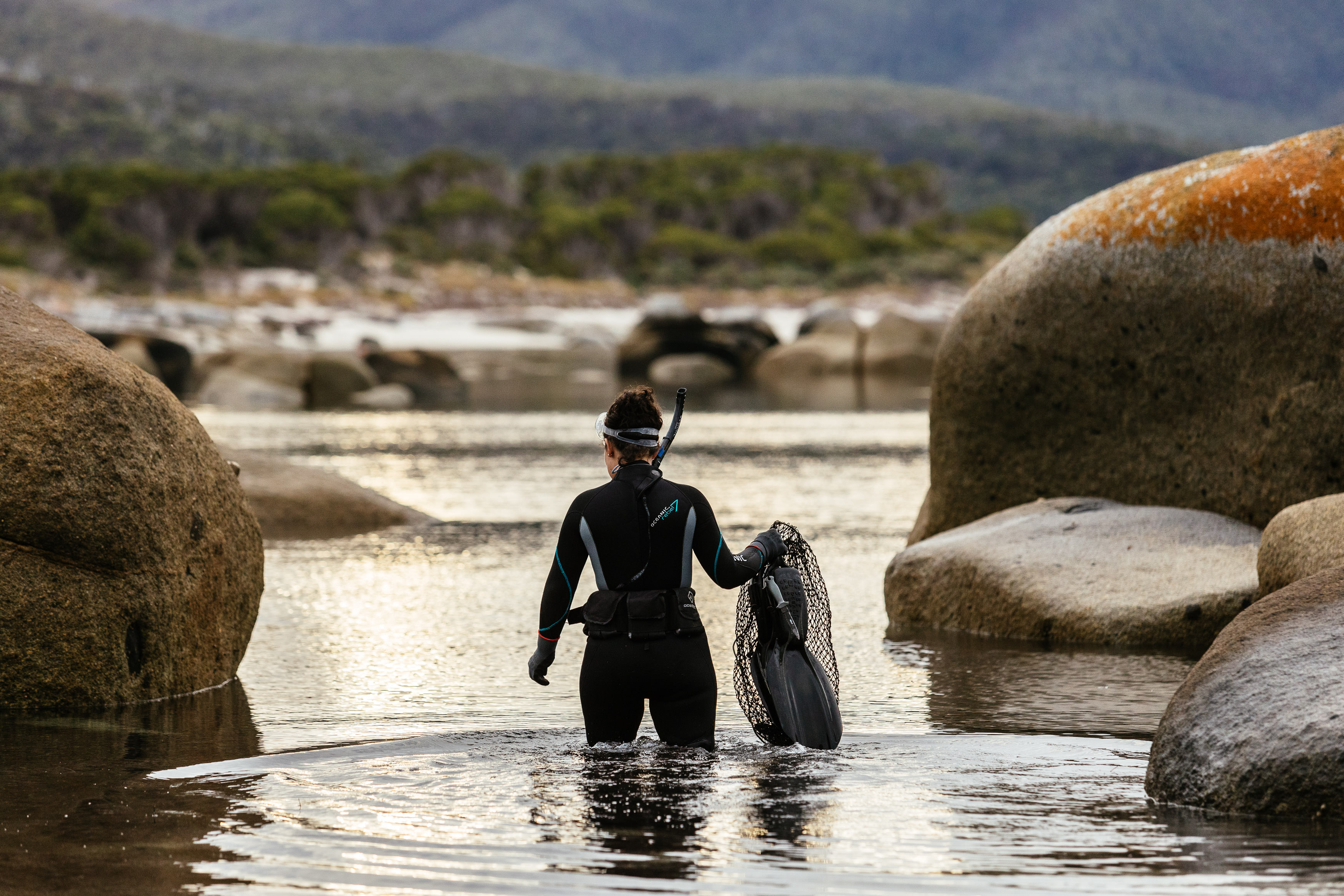
Local tips worth considering
With so many locals having a deep connection with Flinders Island for generations. The best tips come from those who live the island life everyday. Some passed down secret spots, other tips for sharing. While we won't give all our secrets away, below are a few handy tips you might find useful when visiting the island.
The locals are part of the experience
Flinders Island isn’t a tourism machine, it’s a living community. The people who farm the land, fish the waters, run local businesses and volunteer at community events help shape the experience visitors take home. Make sure you take the time to chat. Ask questions, support local businesses. You’ll often discover stories and experiences that never make it into a brochure.
Five days is good. Seven is better (Obviously)
One of the most common comments we hear is: “I wish we’d stayed longer.”
The island reveals itself slowly. A week allows time to explore different regions, settle into the local rhythm and enjoy the moments between the major attractions and big outings. If your schedule allows, give yourself a little extra time. You probably won’t regret it.
Looking for things to do?
Once you’ve decided where you’d like to stay, it’s time to start exploring. The Visit Flinders Island website is one of the best resources for discovering things to do across the island. You’ll find information on: walking tracks, beaches, wildlife experiences, local history, food and produce, fishing, scenic drives and suggested itineraries
Whether you’re staying in the north or the south, their regional guides are a great place to start planning your adventures. Then, once you’re here, leave room for a few unexpected discoveries of your own.
See more without rushing
Many visitors try to see the entire island from a single base, and you certainly can. But by spending time in two locations, you allow yourself to settle into each part of the island rather than constantly travelling between them.
Go slow, take your time, absorb with intent.
The visitors who leave with the deepest connection to Flinders Island are rarely the ones who try to see everything. They’re the ones who give themselves enough time to experience different parts of the island properly.
What should I pack?
The answer is surprisingly simple. Bring: Layers, comfortable walking shoes, a waterproof jacket, sun protection, pack a hat and a sense of adventure. Even during summer it’s worth having a warm layer for early mornings, evenings and windy days. And during winter, you’ll be grateful for a good jacket and comfortable footwear for exploring the coastline.
Don't go by the weather
Don’t choose your travel dates based solely on the weather forecast. Choose them based on the experience you’re hoping to have. Every season offers a different version of Flinders Island. Wildflowers in spring. Long beach days in summer. Golden light in autumn. Dramatic coastlines in winter. The island changes with the seasons, but its sense of space, beauty and authenticity remains the same.
Leave the planning at work
When planning your stay, leave at least one day completely unscheduled. No itinerary. No must-see attractions. Just a rough direction and an open mind. You might be surprised where the day takes you.

Your guide to getting around our island
The wide-open beaches. The quiet roads. The feeling that there is always something waiting around the next corner. Unlike many destinations where everything is within walking distance, Flinders Island rewards those who take their time to explore. From the granite headlands of Killiecrankie to the sheltered waters of Lady Barron, the island reveals itself slowly, one road, one beach and one unexpected discovery at a time.
Put simply, the best way to experience the best of Flinders Island is with your own vehicle. Whether you’re planning a week-long escape or a shorter stay, here’s everything you need to know about getting around Flinders Island.
A few things to know
Most visitors hire a vehicle.
For most visitors, hiring a car is the simplest and most enjoyable way to explore Flinders Island. We recommend booking with Flinders Island Car Rentals (FICR), a locally owned business that has been helping visitors discover the island for many years. Conveniently located at Flinders Island Airport, FICR offers airport collection, local maps and helpful island advice to help you get the most from your stay.
One of the great advantages of travelling with a local operator is the knowledge that comes with it. The team understands the island, the roads, the weather and the places visitors often overlook. Whether you’re planning to spend your days exploring remote beaches, walking coastal tracks or discovering local producers, having your own vehicle provides the flexibility to experience the island at your own pace.
To ensure you don't miss out, we recommend booking your vehicle at the same time as your flights and accommodation, particularly during peak travel periods.
Attractions are spread across the island
Be sure to plan your day. Often visitors under estimate the size of the island and how long it can take to travel between destinations. to ensure you maximise your time visiting the spots at the top of you list, try and have a bit of a plan before setting off.
Roads are generally quiet and easy to navigate
The roads around Flinders Island are well maintained, safe and quiet most of the time. When exploring, it's important to stick to roads appropriate for your vehicle. If you do not have a four wheel drive, we advise against going off the beaten track. So a combination of driving and walking to get to those hidden gems might be your best approach. Alternatively, if you do have a particular spot you want to visit, but are unsure about accessibility, ask one of the locals who will be more than happy to give you a hand. Some roads are unsealed, particularly in more remote areas, but they are generally well maintained and suitable for normal driving conditions.
One thing to be aware of is the local wildlife. Be careful when driving as they are common along roadsides and it can be dangerous, especially around dusk or early mornings. It is also important when driving around the island, that the weather can change dramatically and fast. Although our roads are quiet, take it easy in the changing conditions as there is no rush when on island time.
The freedom to wander
Part of what makes Flinders Island so special is that there is no rush. There are no traffic jams. No crowded attractions. No pressure to tick everything off a list. Instead, the island invites you to slow down and follow your curiosity. One moment you might be heading towards a beach. The next, you’ve stopped to photograph a granite outcrop, watch Cape Barren Geese grazing beside the road or take a recommendation from a local about a hidden fishing spot. Many visitors tell us their favourite experiences weren’t planned at all. They happened because they allowed themselves the freedom to wander.
How big is Flinders Island?
Flinders Island is larger than many first-time visitors expect. Stretching approximately 70 kilometres from north to south, the island offers a surprising variety of landscapes and experiences.
From Whitemark, you can easily spend a day exploring Killiecrankie and the northern beaches, Strzelecki National Park or head over to Lady Barron and the southern coastline. The island is full of diversity and hidden secrets. While distances are modest, the attractions that make Flinders Island special are spread right across the island. Having a vehicle allows you to experience far more than you could from a single location.
Typical drive times
One of the joys of Flinders Island is that nowhere feels particularly far away and the journey between destinations is often just as memorable as the destination itself.
From Whitemark
Emita – 15 minutes
Trousers Point – 20 minutes
Lady Barron – 25 minutes
Killiecrankie – 30 minutes
Palana – 50 minutes

How to get to Flinders Island
Sitting quietly in the middle of Bass Strait, Flinders Island feels wonderfully removed from the noise of everyday life. Yet despite its remote location, reaching the island is surprisingly straightforward. A short flight over rugged coastlines, scattered islands and turquoise waters delivers you to a place where granite mountains rise from the sea, beaches stretch for kilometres without another soul in sight, and time seems to move a little slower.
Why the journey matters
Part of what makes Flinders Island special is that you don’t simply stumble across it. Unlike many holiday destinations, getting here requires intention. There are no passing highways, no cruise ships and no crowds. Every person who arrives has chosen to make the journey. The result is a destination that still feels undiscovered.
For many visitors, the first glimpse of Flinders Island comes through the aircraft window. Vast white beaches appear below. Granite peaks rise from the landscape. Tiny farms sit between patches of native bushland. Even before you land, it becomes clear that this is a different kind of place. Airlines that frequent the island include, Sharp Airlines, Yarra Valley Aviation and Flinders Island Aviation.
Flying to Flinders Island
Flying is the easiest and most popular way to reach Flinders Island. Despite feeling wonderfully remote, the island is only a short flight from both Tasmania and mainland Australia. Visitors can choose from scheduled commercial services, scenic flights or private charter options depending on the way they like to travel. Most flights arrive at Whitemark Airport, conveniently located near the centre of the island and within easy reach of many accommodation options.
Scheduled Flights
Sharp Airlines operates regular services to Flinders Island from Melbourne (Essendon Airport) and Launceston Airport. Flights arrive at Whitemark Airport and typically take around 65 minutes from Melbourne and 35 minutes from Launceston.
Private Charter Flights
For travellers seeking flexibility, privacy or travelling as a family or small group, private charter flights with Yarra Valley Aviation offer a more personalised way to arrive and provide an extra sense of adventure to your trip. Charter services are available from Essendon Airport (Melbourne) and Lilydale Airport (Yarra Valley)
For groups or families, charter flights can often be a surprisingly comfortable and convenient option, turning the journey into part of the adventure rather than simply a means of getting here, while being able to set your own schedule.
If you’re travelling from northern Tasmania, the scenic mail plane run by Flinders Island Aviation Services from Bridport offers one of the most memorable and unique ways to arrive. Departing from Bridport, flights cross the Furneaux Group, provides spectacular aerial views of island chains, turquoise waters and remote beaches before arriving on Flinders Island. It’s a perspective of Bass Strait that few people ever experience.
What to expect when you arrive
Arriving on Flinders Island feels refreshingly uncomplicated. There are no queues, no crowded terminals and no rush. Collect your luggage, pick up your hire car and within minutes you’ll be heading towards empty beaches, local cafés and some of the most spectacular scenery in Australia.
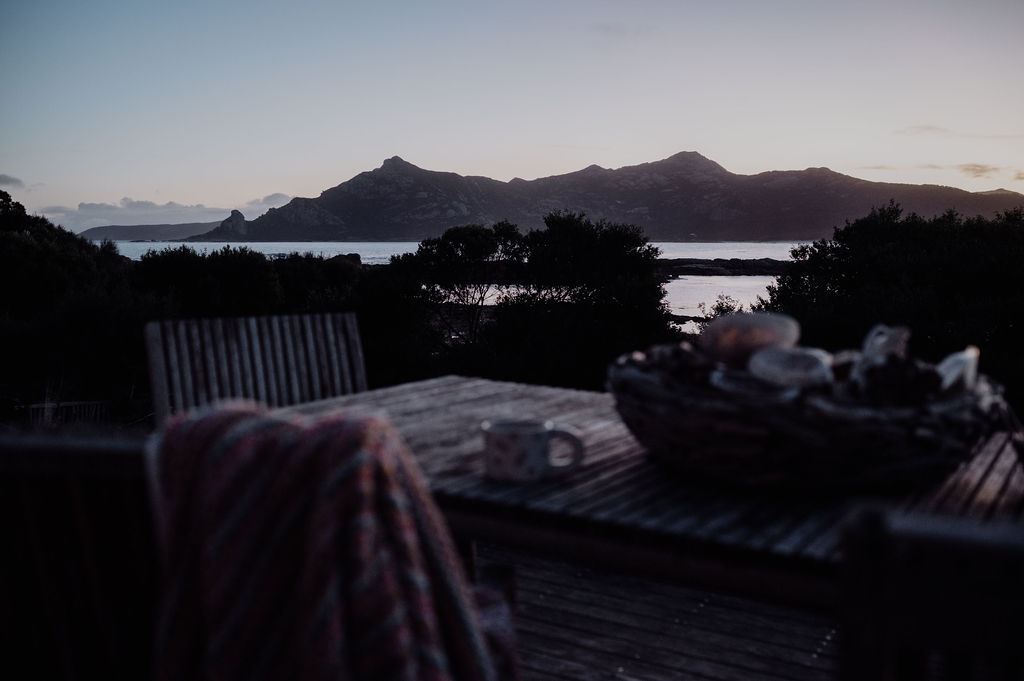
Visiting Flinders Island for the first time
What people don’t expect is how different the island feels. It’s not just the beaches, the mountains or the wildlife. It’s the pace. The quiet. The sense that life operates to a different rhythm here. For first-time visitors, Flinders Island often becomes much more than a holiday destination. It becomes a chance to step away from schedules, reconnect with nature and discover a place where community, landscape and everyday life remain deeply connected.
How long should you stay?
While some visitors arrive for a weekend, Flinders Island rewards those who stay longer. A week allows enough time to settle into the rhythm of the island, explore different corners of the coastline, enjoy local food and experience the unexpected moments that often become the highlight of a trip.
It's bigger than you think
Many visitors picture a small island that can be explored in a day or two. In reality, Flinders Island stretches approximately 70 kilometres from north to south and is home to dozens of beaches, walking tracks, lookouts and hidden corners.
The weather has a mind of it's own
Life in Bass Strait is shaped by the elements. It’s not uncommon to experience sunshine, sea mist and a passing shower all in the same day. The changing weather is part of what makes the island so beautiful. It creates dramatic skies, incredible photography opportunities and ever-changing coastal landscapes. Our advice? Pack layers, bring a waterproof jacket and embrace whatever the day brings. Some of the island’s most spectacular moments happen when the weather turns.
How to stay connected
If staying connected is important during your visit, we recommend travelling with a Telstra mobile service. Coverage is available across much of the island, although some remote locations may still experience limited reception. Other providers can be unreliable depending on where you’re staying and exploring.
Business Hours Can Vary
Flinders Island is a small community of less than 1000 people and opening hours can change throughout the year. Some businesses operate seasonally, while others may have reduced trading hours outside peak visitor periods. Before arriving, it’s worth checking the opening hours of any cafés, restaurants or experiences you’d particularly like to visit.
One of the most common surprises for first-time visitors is that the island supermarket is not open on Sundays. If you’re arriving late on a Saturday or travelling on a Sunday, it’s a good idea to plan ahead and bring any essentials you may need for your first day or two.
Book Ahead During Busy Periods
Accommodation, flights, hire cars and some experiences can book out during school holidays, long weekends and peak summer periods. A little forward planning goes a long way and helps ensure you can enjoy the island exactly the way you’d hoped.
You won't find crowds
One of the things people love most about Flinders Island is what isn’t here. There are no traffic jams. No packed beaches. No queues at lookouts. Even during busy periods, it’s possible to spend an entire afternoon on a beach without seeing another person. For travellers seeking space, quiet and connection with nature, that’s becoming increasingly rare.
It is however important that if you are planning on visiting in the busy period to book well in advance. Accommodation, flights, hire cars and some experiences can book out during school holidays, long weekends and peak summer periods. A little forward planning goes a long way and helps ensure you can enjoy the island exactly the way you’d hoped.

Experiencing the best of Flinders Island
Flinders Island isn’t one experience, it’s many. The wild northern beaches feel very different to the sheltered waterways of the south. The dramatic granite landscapes of Killiecrankie offer a completely different perspective to the coastal communities around Lady Barron. That’s why, for visitors staying a week or longer, we often suggest something a little different. Rather than choosing one accommodation for your entire stay, consider dividing your visit between two locations. A few nights in the north and a few nights in the south. One island holiday and two unique perspectives. A richer experience of Flinders Island.
Flinders Island is bigger than it looks
Many visitors are surprised by just how much there is to see. Stretching approximately 70 kilometres from north to south, Flinders Island offers an incredible variety of landscapes, communities and experiences. From the remote beaches of Palana to the waterways of Franklin Sound, each part of the island reveals something different. While it’s certainly possible to explore from a single base, visitors staying a week or more often enjoy a deeper connection to the island by spending time in two different locations.
Start in the North
The northern end of Flinders Island feels wonderfully untamed. This is where you’ll find some of the island’s most iconic scenery. Think white sand beaches, enormous granite boulders, windswept coastlines and roads that seem to lead to the edge of the world. Some of the highlights include Killiecrankie Bay, Palana, North East River, hunting for the famous Killiecrankie diamonds, remote coastal walking tracks, pristine beaches and hidden fishing spots.
Then head South
After a few days, shift your perspective. The south offers an entirely different side of island life. Around Lady Barron and Franklin Sound, the connection to the sea feels stronger. Offshore islands dot the horizon and life moves to the rhythm of tides, weather and working waterfronts. Highlights in the south include Lady Barron, Franklin Sound, long bush walks, fishing and boating experiences and historic maritime connections.
Discover the Island in between
Of course, some of Flinders Island’s most loved places sit between north and south. During your stay you’ll have plenty of opportunities to explore Whitemark, Emita, the beautiful Trousers Point, Strzelecki National Park, Fotheringate Bay and the many local producers and farm gates.

Flinders Island through the seasons
One of the questions we hear most often is: “When is the best time to visit Flinders Island?”
The answer depends entirely on the experience you’re looking for. Unlike some destinations that have a clear peak season, Flinders Island offers something special year-round. Wildflowers emerge in spring, long summer evenings invite exploration, autumn brings calm conditions and golden light, while winter reveals dramatic coastlines and a quieter side of island life. The weather here is shaped by Bass Strait, which means conditions can change quickly and every season has its own character. The good news? There really isn’t a bad time to visit.
Spring (September-November)
Spring is one of the island’s most rewarding seasons. As the landscape awakens, wildflowers begin to appear across the island, birdlife becomes more active and the days slowly grow longer. Walking tracks are at their best, temperatures are comfortable and there is a wonderful sense of anticipation as the island moves towards summer. If you love walking, being out in nature, birdwatching and photography, this is a wonderful time to visit.
Expect: Mild temperatures, wildflowers across the landscape, active birdlife making for excellent walking conditions
Summer (December-February)
Summer brings long daylight hours, warm weather and endless opportunities to enjoy the coastline. Days are often spent exploring beaches, fishing, boating, swimming or simply enjoying the slower pace of island life. The island feels vibrant during summer, yet still retains the sense of space and freedom that visitors come here to find. Over this busy period we see lots of families visiting, beach lovers of all, plenty of first time visitors and ocean lovers.
Expect: Warm days, beach weather, long evenings making this season an ideal time for exploring
Autumn (March-May)
Ask many locals and they’ll tell you autumn is their favourite time of year. The weather is often settled, the crowds begin to ease and the quality of light becomes extraordinary. It’s a wonderful season for walking, photography, fishing and exploring at a relaxed pace. Ideal for couples, those who enjoy slow travel, photographers and food and nature lovers.
Expect: Mild temperatures, stable weather patterns, crisp mornings and comfortable exploring conditions
Winter (June-August)
Winter reveals a side of Flinders Island many visitors never expect. The landscapes become moodier. Storm systems rolling across Bass Strait creating dramatic skies and spectacular coastal scenery. This isn’t a season to avoid as it becomes full of scale and extreme contrasts. For those seeking solitude, reflection and a deeper connection to nature, winter can be incredibly rewarding. Creative types who like to write, paint and draw, photographers and those seeking peace and quiet.
Expect: Cooler temperatures, dramatic coastal conditions, quiet beaches and cosy accommodation stays
Regardless of the season, there is one thing worth remembering. Weather on Flinders Island can change quickly. A sunny morning may become windy by afternoon. A passing shower can give way to blue skies within minutes. The island’s location in Bass Strait is part of what makes it so beautiful. The ever-changing weather creates dramatic skies, shifting light and landscapes that never look quite the same twice. Rather than worrying too much about the forecast, embrace the variety. Some of the island’s most memorable moments happen when the weather doesn’t follow the plan.

Hidden experiences you won't find in a brochure
Trousers Point. Killiecrankie. Strzelecki National Park. The lighthouse. The beaches. And while these places are absolutely worth visiting, they’re rarely the experiences people talk about most when they return home. More often, it’s the unexpected moments, the beach they found by accident, the conversation they had over coffee, the road they almost didn’t take, the weather rolling across Bass Strait or the flock of Cape Barren Geese waiting beside the road. The best parts of Flinders Island don’t always appear in an itinerary. Sometimes they simply happen when you leave room for them.
Take the road you didn't plan to take
Flinders Island rewards curiosity. Many visitors arrive with a carefully researched list of places they want to see. That’s a great place to start. But don’t be afraid to take a detour, a side road might lead to a quiet beach or a lookout you’ve never heard of. The island has a way of rewarding people who leave room for discovery.
Follow a local recommendation
Some of the best information on Flinders Island never makes it online. It comes from conversations. A recommendation from the person serving your coffee. A suggestion from your accommodation host. A chat with someone at the bakery. A fisherman pointing you towards a beach you’ve never heard of. The island’s local knowledge is one of its greatest resources. Be curious. Ask questions. You’ll often find the answer leads somewhere interesting.
Visit a beach with no expectations
The famous beaches deserve their reputation. But some of the most memorable beach experiences happen in places you’ve never heard of. With well over 100 beaches to choose from, stumbling across a small cove, a stretch of sand without a name or a beach where your footprints are the only ones visible. Sometimes the best beach is simply the one you happen to find.
Buy something local
One of the simplest ways to connect with a place is through the people who live there. Stop at local businesses, browse local products, take home something made, grown or created on the island. Whether it’s local produce, artwork, preserves or handcrafted goods, these purchases carry stories that become part of your experience and often far more meaningful than a souvenir.
Stay long enough to change your plans
The first few days on Flinders Island are often spent exploring. The days after that are when the island starts to work its magic. You notice things you missed. You revisit places and you slow down a little more. Many visitors tell us their best day wasn’t the one they planned before arriving. It was the one they created after they’d settled into the rhythm of the island. That’s one reason we often recommend staying a week or longer. The extra time allows space for spontaneity.
Look up
This part of the world is vast and dramatic, it's scale hard to describe which is why every now and then take a moment to look up. Watch the sea eagles circling overhead. Notice the changing cloud formations. On a clear night, far from city lights, the night sky can be extraordinary. It’s one of the island’s quietest and most overlooked experiences.

The best walks in Flinders Island
Walking slows things down, creating space and time to take in the detail. The changing colours of the granite, the scent of coastal heath, the sound of waves breaking against the shoreline and the wildlife that often appears when you stop long enough to look. The beauty of walking around Flinders Island is that there’s something for everyone. You don’t need to summit a mountain to experience the island’s remarkable landscapes. Some of the most memorable walks are short coastal strolls that finish at an empty beach or a quiet lookout. Whether you’re looking for a gentle wander, a family adventure or a more challenging hike, these are some of our favourite ways to explore the island.
For first-time visitors: Trousers point
If you’re only going to do one walk on Flinders Island, make it this one. Located within Strzelecki National Park, the Trousers Point area offers some of the island’s most iconic scenery. Granite mountains rise behind white sand beaches and clear water, creating one of Tasmania’s most photographed coastal landscapes. The walking here is relatively easy, making it suitable for most visitors. It’s less about distance and more about taking your time. Stop often. Look around.
For incredible views: Mount Strzelecki
For those willing to put in the effort, Mount Strzelecki offers one of the most rewarding walks on the island. As Flinders Island’s highest peak, the summit provides extraordinary views across Bass Strait, the Furneaux Group and the island’s rugged coastline. This is a more challenging walk and requires a reasonable level of fitness. The reward, however, is a perspective of Flinders Island that few places can match. Many visitors consider it a highlight of their stay.
For coastal beauty: Fotheringate Bay
The walk between Trousers Point and Fotheringate Bay is one of the island’s hidden treasures. This route combines beaches, granite formations, coastal vegetation and constantly changing views. It’s the sort of walk where you find yourself stopping every few minutes to take another photograph. Or simply to appreciate where you are. The journey is every bit as enjoyable as the destination.
For families: Castle Rock
Castle Rock is proof that you don’t need a long walk to create lasting memories. The track is relatively short, the scenery is spectacular and the destination itself is one of the island’s most distinctive granite formations. Children often love scrambling around the rocks and exploring the coastline nearby. It’s a great option for families wanting a rewarding walk without committing to a full day adventure.
For those who love a quiet beach walk: Killiecrankie
Killiecrankie isn’t just one beach. It’s a landscape that invites exploration. Walk along the shoreline, explore the granite outcrops or simply wander without a particular destination in mind. Some visitors spend hours here. Others return several times during their stay. The beauty of Killiecrankie is that there’s no right way to experience it.
For wildlife lovers: Patriarch wildlife sanctuary
Not every memorable walk needs a dramatic summit or spectacular beach. Patriarch Wildlife Sanctuary offers the chance to experience native wildlife in a natural setting. The walking tracks are relatively gentle and provide opportunities to see wallabies, birds and other native species. It’s particularly enjoyable during the quieter parts of the day when wildlife activity is often at its highest.
For explorers: North Easy River
North East River isn’t a single walk. It’s a destination that rewards curiosity. Remote beaches, coastal dunes and expansive landscapes create opportunities for wandering rather than following a clearly defined track. This is a place for people who enjoy exploration. Bring water. Allow time and don’t be surprised if you don't see anyone the entire day.
A few things to know before you go
Walking on Flinders Island is wonderfully straightforward, but a little preparation goes a long way. Before setting out remember to carry water, and if you can snacks. Wear comfortable footwear and dress so you can layer, allow extra time for photographs and wildlife encounters and most importantly, don’t rush. The best experiences often happen when you slow down.